

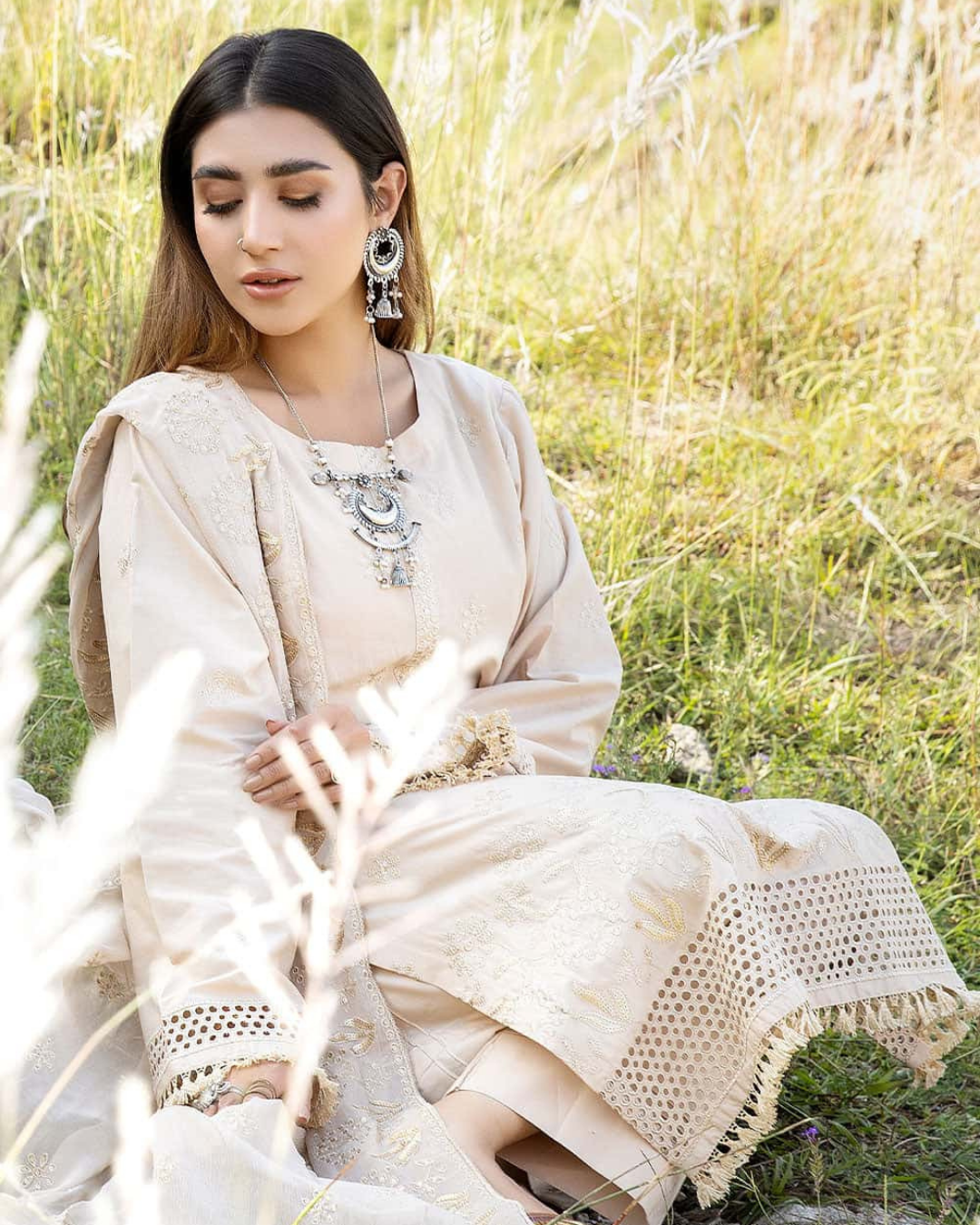
The Ultimate Guide to Trending Ladies Salwar Suits for 2025: Style, Comfort & Elegance
1. Introduction: Embracing the Salwar Suit Revolution
The salwar suit, a quintessential ensemble in South Asian fashion, continues its remarkable evolution, seamlessly blending traditional charm with contemporary flair. In 2025, this attire transcends its role as mere clothing; it emerges as a profound statement of comfort, elegance, and individual style. The current year is marked by a beautiful fusion of classic forms with innovative cuts, the incorporation of sustainable fabrics, and the resurgence of luxurious embellishments, rendering salwar suits exceptionally versatile for a myriad of occasions.1 The fashion landscape for trending ladies salwar suits in 2025 is distinctly shaped by a noticeable shift towards novel silhouettes, a focused emphasis on specific fabrics, and intricate detailing.2
This report aims to guide fashion enthusiasts through these dynamic trends, providing comprehensive insights to ensure informed choices for their wardrobes. The analysis focuses on the latest salwar suit designs and Indian ethnic wear trends that are poised to dominate the market, offering a strategic perspective for platforms like thefashionstation.in to enhance their digital presence.
The consistent emphasis on the “fusion of contemporary design and classic forms” 1 and the “modern twist to the traditional salwar” 2 signals a significant cultural evolution in fashion. This extends beyond mere design changes; it reflects how heritage fashion adapts to global influences and modern lifestyles. The growing demand for comfort and versatility in clothing, as highlighted across various trending styles, suggests that consumers are seeking garments that are not only aesthetically pleasing but also practical for diverse settings, from daily wear to festive gatherings. This adaptation allows the salwar suit to maintain its relevance and popularity across generations, expanding its market appeal for brands that successfully integrate these elements.
2. Top Trending Salwar Suit Styles for 2025
The year 2025 ushers in an exciting array of ladies salwar suit styles, each presenting a unique amalgamation of tradition and modernity. From understated elegance to dramatic statements, there is a design poised to cater to every individual preference and occasion.
Minimalist & Monochrome: The Power of Understated Chic
Minimalistic and monochromatic designs stand out as popular choices, embodying a timeless elegance. These suits feature bold and pastel colors, characterized by their iconic and visually appealing nature, along with clear cuts and captivating designs.3 Prominent colors in this category include pastel pink, classic black, earthy brown, and muted blue.3 Their subtle and refined shine makes them suitable for both professional office wear and festive occasions.3
Heavy Embroidered Suits: Intricate Artistry for Grand Occasions
Elegant embroidered salwar suits serve as a testament to artistic precision. They showcase intricate embroidery techniques such as zari work, gota patti, mirror work, and chikankari.3 The heavy intertwining of threads, often done by hand, results in visually striking garments. These suits are frequently seen in deep red, emerald green, and royal blue, making them ideal for festive glamor and special events.3
Asymmetrical & Layered Cuts: Redefining Silhouettes
Asymmetry and layered cuts infuse salwar suits with a captivating irregularity, offering impeccable beauty and the ability to flatter various body types.3 Asymmetrical hemlines and layered cuts are considered must-try trends in 2025, adding a dramatic flair and seamlessly blending traditional and contemporary fashion elements.1
Cape Drama: A Modern Twist on Traditional Drapes
The incorporation of capes into salwar kameez designs draws inspiration from Western fashion, symbolizing high fashion and offering a contemporary alternative to the traditional dupatta. The cape drapes over the shoulders, adding a regal silhouette and a modern flair to the ensemble.1
Anarkali Suits: Timeless Royalty Reimagined
Anarkali suits remain a perennial favorite, celebrated for their flowing, flared silhouette that is fitted at the bust and gracefully flares out from the waist, creating a regal and princess-like appearance.5 These suits are often heavily embellished, making them ideal for weddings, festivals, and formal events.6 Trending Anarkali styles for 2025 include layered designs, intricate embroidery, and those paired with jackets.8
Sharara & Palazzo Suits: Flowing Comfort Meets High Fashion
Sharara suits, characterized by their fit at the knees before flaring beautifully down to the floor, continue to be a popular choice, particularly during wedding seasons.5 Palazzo suits feature wide-legged, flowy pants, offering both comfort and a contemporary aesthetic, often paired with long kurtis.5 Both Sharara and Palazzo styles are experiencing a significant revival in 2025.1
Straight Cut & A-Line Suits: Sleek, Versatile, and Sophisticated
Straight-cut suits feature a straight, long tunic (kameez) paired with matching pants (salwar), providing a simple yet elegant and versatile look that flatters various body types.6 Similarly, A-line suit sets are gaining popularity for their versatility and universally flattering shape. Their flared design offers both comfort and style, making them suitable for a range of occasions, from casual outings to formal events.13
To provide a quick reference for these trending styles, the following table summarizes their key characteristics, ideal occasions, and essential styling tips:
| Style Name | Key Characteristics | Ideal Occasions | Key Styling Tip |
| Minimalist & Monochrome | Clean cuts, single bold/pastel colors. | Office wear, festivals | Pair with heavily embellished dupattas. |
| Heavy Embroidered | Intricate zari, gota patti, mirror, chikankari. | Grand celebrations, weddings | Complement with traditional jhumkas & ear cuffs. |
| Asymmetrical & Layered | Irregular hemlines, dramatic cuts. | Modern events, fashion-forward gatherings | Accessorize with chokers or high heels. |
| Cape Drama | Cape drapes over shoulders, replacing dupatta. | High fashion events, modern twists | Choose regal silhouettes for a dramatic flair. |
| Anarkali Suits | Flowing, flared silhouette from bust. | Weddings, festivals, formal events | Opt for layered or jacket Anarkalis for added style. |
| Sharara & Palazzo Suits | Sharara: fitted at knee, then flares. Palazzo: wide-legged, flowy pants. | Weddings, parties, comfortable daily wear | Pair Shararas with short kurtis; Palazzos with long kurtis. |
| Straight Cut & A-Line | Straight tunic, simple/elegant. A-line: flared, flattering. | Casual, office, semi-formal occasions | Minimalistic jewelry and comfortable footwear. |
The consistent emphasis on comfort and adaptability across multiple trending styles, including Palazzo, Straight Cut, A-Line, and those made with sustainable fabrics, reveals a significant shift in consumer preferences. Modern consumers are increasingly prioritizing practicality alongside aesthetics. This indicates a mature fashion market where functionality and wearability are as crucial as visual appeal, moving beyond purely ornamental or restrictive fashion. This trend suggests that brands capable of blending traditional elegance with contemporary comfort are likely to experience greater consumer acceptance and market success.
Furthermore, the prevalence of styles like Asymmetrical & Layered Cuts, Cape Drama, and general Indo-Western fusion highlights a strong trend towards integrating Western fashion elements into traditional Indian wear. This is not merely about introducing new designs but represents a deeper reinterpretation of cultural attire. This fusion caters to a globalized audience, including the Indian diaspora and international consumers who appreciate Indian aesthetics but prefer modern silhouettes. It also fosters greater individual expression, making ethnic wear more adaptable to diverse social settings beyond purely traditional events. This Indo-Western movement is a sustained evolution, signifying a desire for cultural expression that is both rooted in heritage and globally relevant.
3. Fabric Forecast: What’s Trending in 2025
The selection of fabric is paramount in dictating a salwar suit’s drape, feel, and overall suitability for various occasions. In 2025, the fashion industry places a strong emphasis on both natural, sustainable options and luxurious textures.
Sustainable & Eco-Friendly Fabrics: Fashion with a Conscience
Sustainable fabrics such as cotton, linen, muslin, and bamboo silk are gaining global recognition, reflecting a growing eco-conscious movement within fashion.1 These materials are prized for their comfort and versatility, often appearing in earthy tones like beige, rust, or olive green.3 The increasing awareness regarding the quality and sustainability of fabrics is driving this trend, with sustainable salwar suits expected to rule the fashion landscape.3
Luxurious Textures: Opulence in Every Thread
Velvet continues to exude luxury with its plush texture and regal sheen, making it an ideal choice for winter weddings and festive occasions.4 Silk, encompassing varieties like Chanderi silk, Roman silk, Banarasi silk, and Tussar silk, offers unparalleled opulence and elegance, perfect for formal events and grand celebrations.1 Organza, with its crisp and sheer quality, is favored for creating elegant and dramatic designs, particularly in bridal and festive wear.7 Brocade is also trending, valued for its rich, intricate weaves.2
Lightweight & Flowy: Graceful Drapes for Every Season
Chiffon and georgette remain popular choices due to their lightweight, sheer, and flowing drape, making them suitable for semi-formal and festive events while offering both comfort and elegance.1 Crepe, known for its wrinkle-resistant, smooth, and lightweight properties, is a practical option for everyday wear and modern silhouettes.15
The following table provides a concise overview of trending fabrics and their ideal applications:
| Fabric Type | Key Characteristics | Ideal Occasions | Styling Note |
| Cotton & Linen | Breathable, comfortable, natural. | Daily wear, warmer climates, casual | Minimalist jewelry, Punjabi juttis. |
| Velvet | Plush texture, regal sheen, warm. | Winter weddings, festive evenings | Heavy embroidery, statement pieces. |
| Silk (Chanderi, Roman, Banarasi, Tussar) | Luxurious, elegant, rich texture. | Formal events, weddings, receptions | Zari work, bead embellishments. |
| Organza | Crisp, sheer, luxurious appearance. | Bridal wear, festive outfits, dramatic looks | Intricate embroidery, gemstone jewelry. |
| Chiffon & Georgette | Lightweight, sheer, flowing drape. | Semi-formal, festive events, comfortable | Digital prints, classic jewelry. |
| Crepe | Wrinkle-resistant, smooth, lightweight. | Everyday wear, modern silhouettes | Printed designs, contemporary accessories. |
| Brocade | Rich, intricate weave, opulent. | Festive occasions, sophisticated statements | Minimal embellishments to highlight weave. |
The pronounced emphasis on “sustainable fabrics and eco-friendly trends” 1, alongside the mention of “handloom fabrics” 1, indicates a significant shift in consumer values towards ethical and environmentally responsible fashion choices. This is not merely a fleeting trend but a growing movement, evidenced by its “gaining recognition across the world” and potential to “rule the world beyond the horizon”.3 This suggests that consumers are increasingly willing to seek out and invest in ethically produced clothing. For fashion platforms, this presents a crucial opportunity to position themselves as resources for conscious fashion, highlighting the ethical sourcing, craftsmanship, and environmental benefits of specific salwar suits. This approach can build trust and appeal to a rapidly expanding segment of the market.

Furthermore, the simultaneous popularity of luxurious fabrics like silk and velvet for grand occasions, alongside lightweight and breathable options such as cotton, linen, georgette, and chiffon for daily, casual, and semi-formal wear 1, suggests a consumer desire for a diverse wardrobe that caters to varied needs. This indicates that a well-rounded collection includes both opulent and comfortable options. The versatility of certain minimalist suits, suitable for “office wear or festivals” 3, underscores the importance of fabric choice for adaptability. Fashion platforms should offer a broad range of fabrics, clearly articulating their suitability for different purposes. This can empower readers to build a “fabric-smart” salwar suit collection, maximizing their wardrobe utility and aligning with modern consumer desires for efficiency and adaptability.
4. Colors & Prints: Your Palette for the Modern Woman
The color palettes and prints dominating 2025 are remarkably diverse, offering everything from subtle elegance to vibrant statements, each reflecting individuality and artistic expression.
Ethereal Ivories & Soft Pastels: Subtle Radiance
Shades of ivory epitomize sophistication, grace, and purity. This hue serves as a versatile neutral base, allowing shimmering embellishments to stand out without overwhelming the design, and it complements all skin tones with its distinct charm.4 Similarly, pastel tones, including lavender, blush pink, and beige, convey a refined elegance. These light hues are ideal for daytime events, festive occasions, and even office wear, as they allow intricate embroidery detailing to shine without overpowering the overall look.1
Rich Jewel Tones & Bold Hues: Making a Statement
Rich jewel tones such as deep red, emerald green, royal blue, and maroon infuse salwar suits with depth, drama, and opulence. These shades create striking appearances, adapt beautifully to every skin tone, and elevate the embellishments on the fabric.1 Yellow, considered auspicious, symbolizes spiritual energy, joy, and grandeur, making it a popular choice for traditional events and festivals.4 Overall, bold and vibrant colors like fuchsia are prominently featured, dominating the fashion scene.2
Dreamy Prints: From Hand-block to Digital Artistry
Printed salwars distinguish themselves through their sheer uniqueness and the individuality they convey. The prints often tell stories inspired by nature, tradition, and abstract designs.3 Hand-block prints and digital prints exude artistic expression, while regional art motifs like Kalamkari and Madhubani transform the outfit into a wearable canvas of artistry and the vibrant spirit of Indian fashion.4 Floral prints continue to be a dominant force, offering a fresh and feminine aesthetic, particularly suitable for spring and summer wear.13 Geometric patterns are also gaining recognition for their modern appeal.3
The simultaneous popularity of “ethereal ivories & soft pastels” and “rich jewel tones & bold hues” 1 indicates that consumers are seeking diverse emotional expressions through their color choices. This is not a situation where one color trend eclipses another, but rather a spectrum of palettes catering to different moods, occasions, and personal aesthetics. Pastels are noted for “sophistication, grace, purity” and suitability for “daytime events, office wear” 4, while jewel tones are chosen for “depth, drama, opulence” and “weddings, festive occasions, evening wear”.4 This suggests that color selection is highly contextual and driven by the desired impression for a specific event. Consumers are becoming more discerning in their color choices, meticulously matching them to particular occasions and their personal style.
Furthermore, the emphasis on “dreamy prints” that narrate stories inspired by “nature, tradition, and abstract designs,” including regional art motifs like Kalamkari and Madhubani 4, suggests that prints are more than mere patterns. They serve as a powerful medium for cultural storytelling and artistic identity. The mention of both “hand-block prints and digital prints” 4 highlights the coexistence of traditional craftsmanship and modern technology in print creation, reinforcing the broader fusion theme observed in styles. This allows for a deeper exploration of the narratives behind these designs, offering historical or cultural context. This approach adds a valuable layer of depth to fashion content, appealing to readers who seek more than just aesthetic appeal and transforming a product feature into a rich cultural narrative.
5. Styling Your Salwar Suit for Every Occasion
The inherent versatility of salwar suits means they can be expertly styled for virtually any event, seamlessly transitioning from grand celebrations to moments of everyday elegance.
Festive & Wedding Glam: Dazzle with Embellishments
For festive and wedding occasions, heavy embroidered suits featuring intricate zari work, gota patti, mirror work, and chikankari are ideal, often seen in deep red, emerald green, and royal blue.3 Styles such as Anarkali, Sharara, and Gown-style salwar kameez are perfect for weddings, receptions, and sangeet ceremonies.1 Velvet fabrics, with their plush texture, exude luxury and are particularly suited for winter weddings and festive gatherings.1 To complete the look, these ensembles can be paired with traditional jhumkas, ear cuffs, chokers, high heels, or heavily embellished dupattas.1
Casual Chic & Daily Wear: Effortless Style for Everyday
For casual and daily wear, cotton and linen suits are highly recommended due to their lightweight and breathable properties, making them ideal for warmer weather.1 Minimalistic and monochrome designs in pastel pink, classic black, earthy brown, and muted blue are also suitable for a refined yet comfortable everyday look.3 Straight-cut suits are considered essential for a practical casual wardrobe.12 These can be effortlessly styled with minimalist jewelry, wristwatches, comfortable Punjabi juttis, or flats.1
Office & Formal Elegance: Professional Poise with a Traditional Touch
For office and formal settings, minimalist and monochromatic salwar suits are well-suited.3 Pastel tones are light on the eyes and prove ideal for professional environments.4 Straight-cut suits, featuring simple or minimal embellishment and formal straight or pencil-cut pants, offer excellent options for a polished appearance.12 Karachi suits, known for their longer, straight-cut kameez and slim-fit salwar, are also highly appropriate for office wear.20 Complementing these looks with minimalist patterns of jewelry and wristwatches enhances their professional appeal.3
The following table offers a comprehensive guide to styling salwar suits for various occasions:
| Occasion | Recommended Styles | Fabric Choices | Color Palette | Accessory Tips |
| Festive & Wedding Glam | Heavy Embroidered, Anarkali, Sharara, Gown-style | Velvet, Silk, Georgette, Net | Deep Red, Emerald Green, Royal Blue, Jewel Tones, Yellow | Traditional Jhumkas, Ear Cuffs, Chokers, High Heels, Embellished Dupattas |
| Casual Chic & Daily Wear | Minimalist & Monochrome, Straight Cut, Palazzo | Cotton, Linen, Crepe | Pastel Pink, Classic Black, Earthy Brown, Muted Blue, Beige, Rust, Olive Green | Minimalist Jewelry, Wristwatches, Punjabi Juttis, Flats |
| Office & Formal Elegance | Minimalist & Monochrome, Straight Cut, Karachi Suits | Cotton, Silk, Georgette, Pastel tones | Pastel Pink, Classic Black, Earthy Brown, Muted Blue, Ivory, Beige | Minimalist Jewelry, Wristwatches, Sleek Clutch |
The emphasis on strategic accessorizing is a crucial aspect of salwar suit styling. While the core outfit forms the foundation, accessories like jhumkas, ear cuffs, chokers, high heels, dupattas, wristwatches, juttis, and clutches are not merely add-ons; they are critical elements that can transform a salwar suit’s formality and overall impact for different occasions.1 For instance, a “minimalist” suit can be elevated for “festivals” with “heavily embellished dupattas” 3, while “sustainable fabrics” can be styled “with minimalist patterns of jewellery and wristwatches to look classy”.3 This demonstrates that accessories serve as a key lever to adjust the formality and visual statement of an outfit, allowing a single salwar suit to be highly versatile and increasing its perceived value for consumers.
Furthermore, the data reveals an evolving definition of “formal” and “casual” wear. The observation that “minimalist and monochromatic designs” are suitable for both “office wear or festivals” 3, and “pastel tones” are ideal for “daytime events, festive occasions and also for office wear” 4, indicates a fluidity in traditional categorizations within ethnic fashion.
This suggests that the lines between traditional formal wear and modern casual/office wear are blurring. A carefully chosen, subtle salwar suit can bridge these gaps, offering elegance without being overly ornate for daily professional settings, yet adaptable enough for festive gatherings. This trend empowers consumers to build a “Capsule Salwar Suit Wardrobe,” focusing on versatile pieces that can be dressed up or down, aligning with modern consumer desires for efficiency and adaptability in their fashion choices.
6. Regional Inspirations: A Nod to Heritage
Indian ethnic wear is deeply rooted in a rich tapestry of diverse regional traditions, and salwar suits serve as a vibrant reflection of this cultural heritage. Understanding these regional variations provides valuable context to current fashion trends.
Punjabi & Patiala Suits
The Punjabi salwar kameez is renowned for its relaxed fit, vibrant colors, and often features intricate embroidery or mirror work.20 Patiala suits, originating from the city of Patiala, are distinguished by their wide, flared, and voluminous salwar, typically paired with a shorter kameez. This style is particularly popular for festive occasions and traditional celebrations.5
Pakistani Suits
Pakistani salwar kameez designs are celebrated for their beautiful detailing, elegant aesthetics, and characteristic long shirts, often heavily embellished. These suits are frequently chosen for weddings or other special events due to their sophisticated appeal.5
Other Regional Mentions
Beyond these prominent styles, the research also touches upon other significant regional variations, including Kashmiri attire (phiran, poots, shalwar), Balochi clothing (characterized by baggy shalwar and loose kameez), Sindhi styles (such as Sindhi Chareno, Kancha, Suthan/Salwar, and Pajamo/Sorhi Suthan), and South Indian styles (which tend to feature simpler designs with minimal embellishments).20 These regional salwar suit styles collectively highlight the rich diversity of Indian ethnic fashion heritage.
The enduring popularity and distinct characteristics of regional styles like Punjabi, Patiala, and Pakistani suits 5 demonstrate that while global trends certainly influence fashion, deep-rooted regional craftsmanship and aesthetics remain highly relevant and sought after. This indicates a dynamic relationship where heritage informs innovation. The broader trend of “fusion” and “modernization” observed in 2025 styles often incorporates elements from these regional designs. For example, the voluminous pleats of a Patiala salwar might inspire modern dhoti pants 21, or the elegant long kameez of Pakistani suits might influence contemporary straight-cut trends. This shows that traditional regional styles are not static but are actively evolving and contributing to the broader fashion narrative.
For fashion platforms, this presents an opportunity to celebrate the cultural narratives behind these styles, perhaps through features on “Deep Dives into Regional Salwar Suit Craftsmanship,” showcasing the artisans and techniques. This approach adds authenticity and a unique value proposition, creating opportunities for rich, long-tail keywords related to specific regional designs and their cultural significance.
Mi sit amet mauris commodo quis imperdiet massa tincidunt. Purus gravida quis blandit turpis cursus in hac habitasse. Tempus egestas sed sed risus pretium quam vulputate dignissim suspendisse.